
Buying a car in Saudi Arabia as an expat
Expats buy a large share of the Kingdom's cars, and the process is straightforward once your paperwork is in order. Here's what you need — residency, licence, financing and insurance — plus the catches that trip newcomers up.
Editor: Amman Abbasi · GCC Car Deals
What you need before you shop
A valid Iqama and a Saudi driving licence are the practical prerequisites: registration (the istimara), ownership transfer and insurance are all keyed to your residency. On a visit visa you can't register a car in your own name, so residency comes first.
Financing on an expat salary
Saudi banks finance cars for expats routinely — usually as Sharia-compliant murabaha instalment plans — but expect a minimum-salary requirement, salary transfer or an approved employer, and a down payment. Compare the total amount payable rather than just the monthly instalment, and get pre-approval before you negotiate.
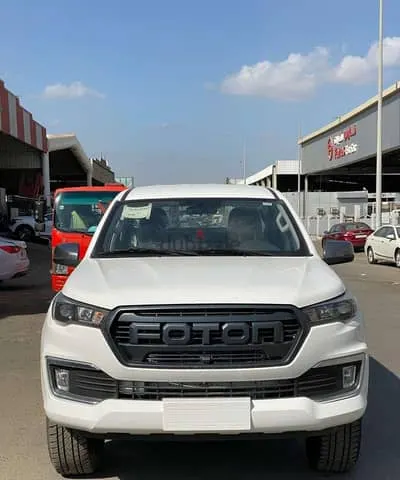
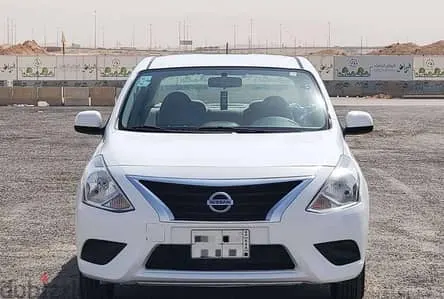
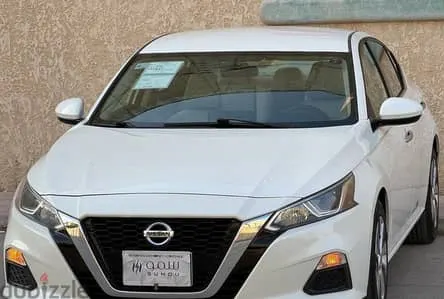
Top deals right now

Insurance and your no-claims history
Third-party insurance is the legal minimum; comprehensive is worth it on any car you'd mind losing. Bring a no-claims letter from your insurer at home or elsewhere in the GCC — many Saudi insurers will honour it with a discount. Insurance must be active for the transfer to complete.
The ownership transfer
Ownership transfers digitally through Absher, with a valid periodic inspection (Fahs) and any traffic fines cleared first. Both buyer and seller confirm the transfer in the system — never hand over the full payment before the transfer shows as complete.
Plan your exit from day one
Your car is an asset with a deadline. Selling in a rush during your final month is how good cars go cheap — start six to eight weeks before you leave, keep service records organised, and settle any financing early: the bank must release the car before ownership can transfer, and that takes time you won't have in your final week.
Buy with the market, not against it
Prices for the same model vary widely across Saudi marketplaces. Check the model's median price here first and watch the price-drops page — you'll recognise a fair asking price the moment you see one.