Great price
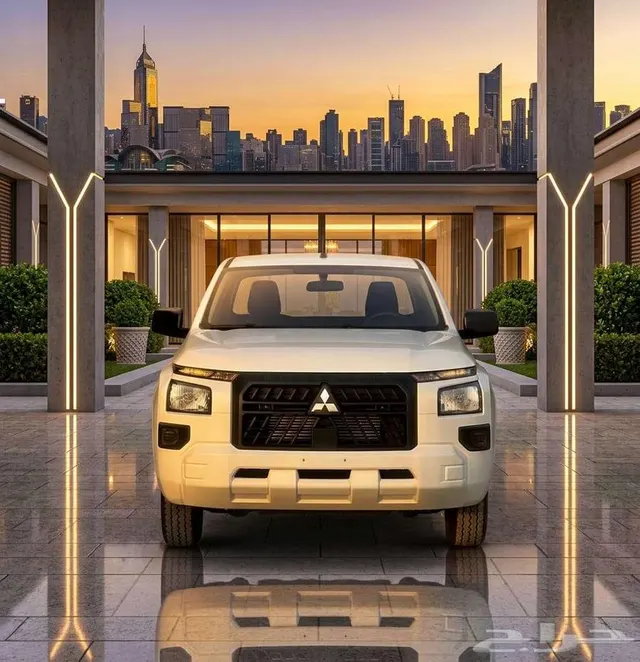
Mitsubishi L200 2025
SAR 63,000Save ~SAR 26,000
Haraj (opens in new tab)· Riyadh
Listed 3 days · checked 2d ago
Imported cars can look cheap on paper. Here's when importing to Saudi Arabia actually pays off — and the costs and catches that are easy to miss.
Editor: Amman Abbasi · GCC Car Deals
Cars built to GCC specification are made for the region's heat, are backed by the local agent's warranty, and are simplest to service, insure and resell. For most common models, buying GCC-spec inside the Kingdom beats importing once you count the effort and the risk.
Beyond the purchase price, budget for shipping, customs duty at the port of entry, SASO conformity and inspection, registration for the istimara, and any modifications needed to meet local requirements. These extras often erase the headline saving on all but rare or high-value cars.
Saudi Arabia restricts which used vehicles may be imported — cars more than five years old, salvaged cars and former taxis, police and rental cars are barred (per Saudi customs rules, as of 2026) — and those conditions change. Confirm the current requirements with the Zakat, Tax and Customs Authority (ZATCA) and the standards authority, SASO, before you buy anything abroad — a car that can't clear customs or pass conformity is money you won't get back.
Imported American or Japanese-spec cars typically sell for less here and take longer to move, because most buyers prefer GCC-spec. A car that's cheaper to import can cost you more when you come to sell it on.
Some insurers charge more or limit cover on non-GCC cars, and certain parts can be slower or pricier to source. Confirm a car will be cheap to insure and service in the Kingdom before you commit to importing it.
Before importing, check what the same car actually costs on the Saudi market. Our comparison shows the real GCC-spec price for a model here in riyals, so you can judge whether importing is genuinely cheaper — and for an everyday car the honest answer is usually no.