Great price
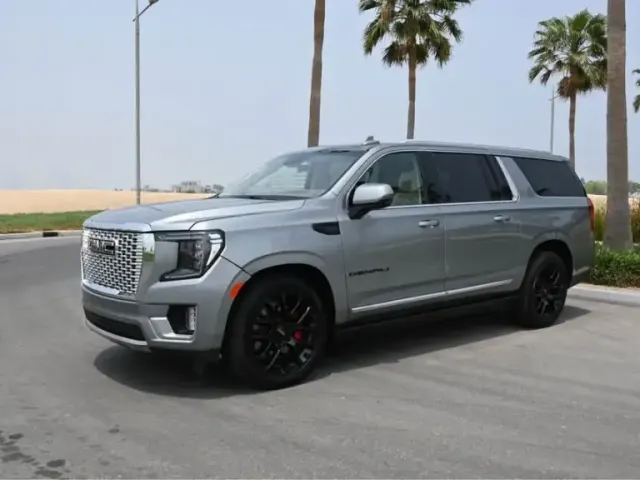
GMC Yukon Denali 2024
6,600 kmAED 189,000Save ~AED 51,000
Auto Trader UAE (opens in new tab)· Dubai
Listed 45 days · checked 8h ago
Every car in the UAE needs a valid Mulkiya — the registration card. Here's how registration and ownership transfer work when you buy a used car.
Editor: Amman Abbasi · GCC Car Deals
The Mulkiya is the vehicle registration issued by the traffic authority (for example the RTA, which now issues it as an e-card in its app). It ties the car to its owner and is renewed every year (a brand-new car's first registration can run longer). When you buy used, the aim is to have it transferred cleanly into your name.
A transfer needs valid insurance in the new owner's name and a passed vehicle test (for example at Tasjeel) — in Dubai every change of ownership needs one, whatever the car's age. Arrange the insurance and testing before your transfer appointment so nothing stalls on the day.
Ownership transfer runs through the traffic authority: in Dubai the seller starts it on the RTA website or app, both parties sign the sale agreement electronically and the buyer completes the registration at a service centre; in Abu Dhabi it is done through TAMM. Any traffic fines against the car must be cleared and any loan on it released first, so check both before you pay.
Confirm the Mulkiya details match the car and the seller, that there's no outstanding finance on the vehicle, and that fines are clear. A car you can't register cleanly into your name is not a car you should be paying for yet.
After the transfer you renew registration each year with current insurance and, when it falls due, a fresh vehicle test. Renewals can be handled through the traffic authority's app, so keep your insurance dates and testing in sync to avoid driving on an expired Mulkiya.
Never pay in full before the Mulkiya is in your name and the transfer is confirmed. Doing it properly protects you from inheriting someone else's fines, finance or accident liability along with the car.